Building AI agents, exploring cognitive science, unraveling bioinformatics
Creative engineering where philosophy meets technology
Popular Topics
View all topicsLatest Posts
Making Science Machine-Readable: The Epistemological Challenge of Verifying Knowledge at Scale
How do you verify scientific knowledge when there are 2.9 million papers on arXiv alone, with thousands more added every day? A new paper extracts nearly two million claims from 16,087 manuscripts and compares machine evaluation to human peer review, with 81% agreement.
When AI Writes the Code, Verification Becomes the Job
Over 80% of developers now use AI assistants for code generation, yet at least 62% of AI-generated code contains vulnerabilities. As AI writes code faster than humans can review it, the engineer's primary job shifts from writing code to verifying it through formal methods.
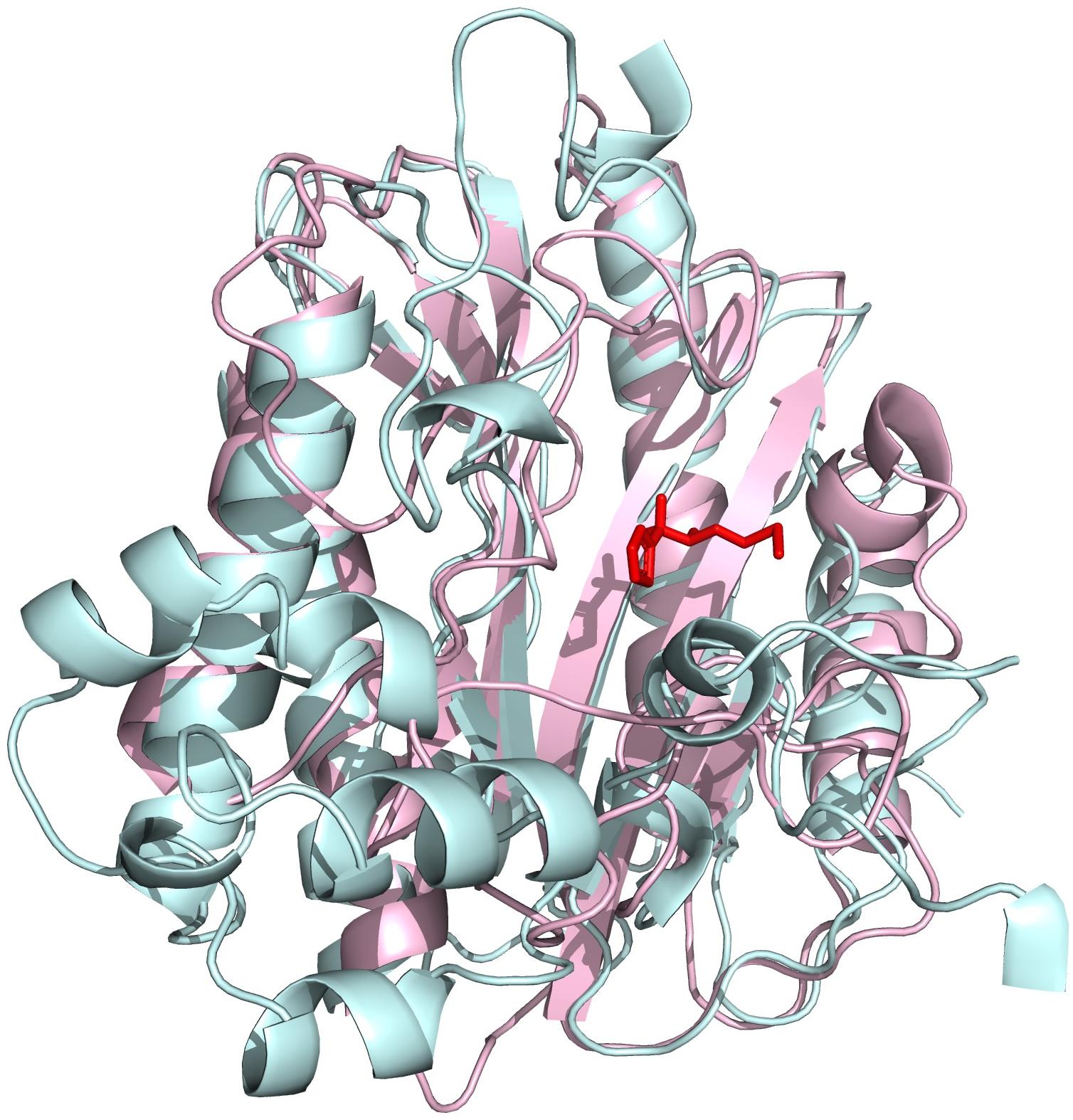
The Historical Accident That Split Drug Design in Two (And the Contrastive Model That Reunites It)
Structure-based and ligand-based drug design evolved as separate fields solving the same problem. ConGLUDe, a contrastive geometric learning model, unifies both approaches and outperforms specialist methods on realistic benchmarks without requiring pre-defined binding pockets.
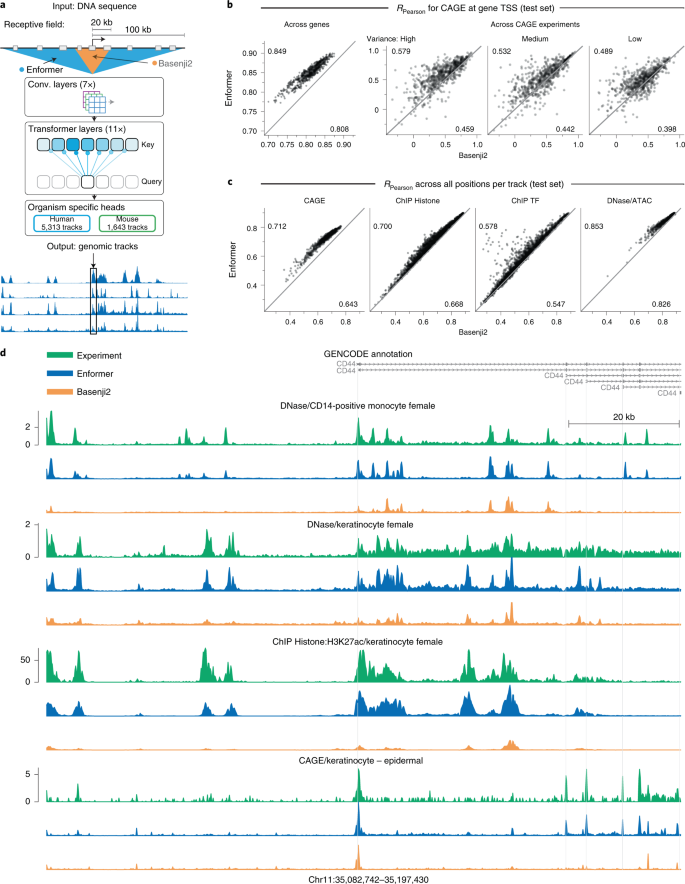
How AlphaGenome Models Gene Regulation: 2D Embeddings, Splicing, and the Race to Read Non-Coding DNA
A technical look at AlphaGenome's architecture, its 2D pairwise embeddings for splicing prediction, and what the model means for clinical variant interpretation.
EDEN: 28 Billion Parameters for Programming Biology
Basecamp Research's EDEN model trains on proprietary environmental metagenomics to design gene-insertion enzymes, antimicrobial peptides, and synthetic microbiomes -- all validated in the wet lab.
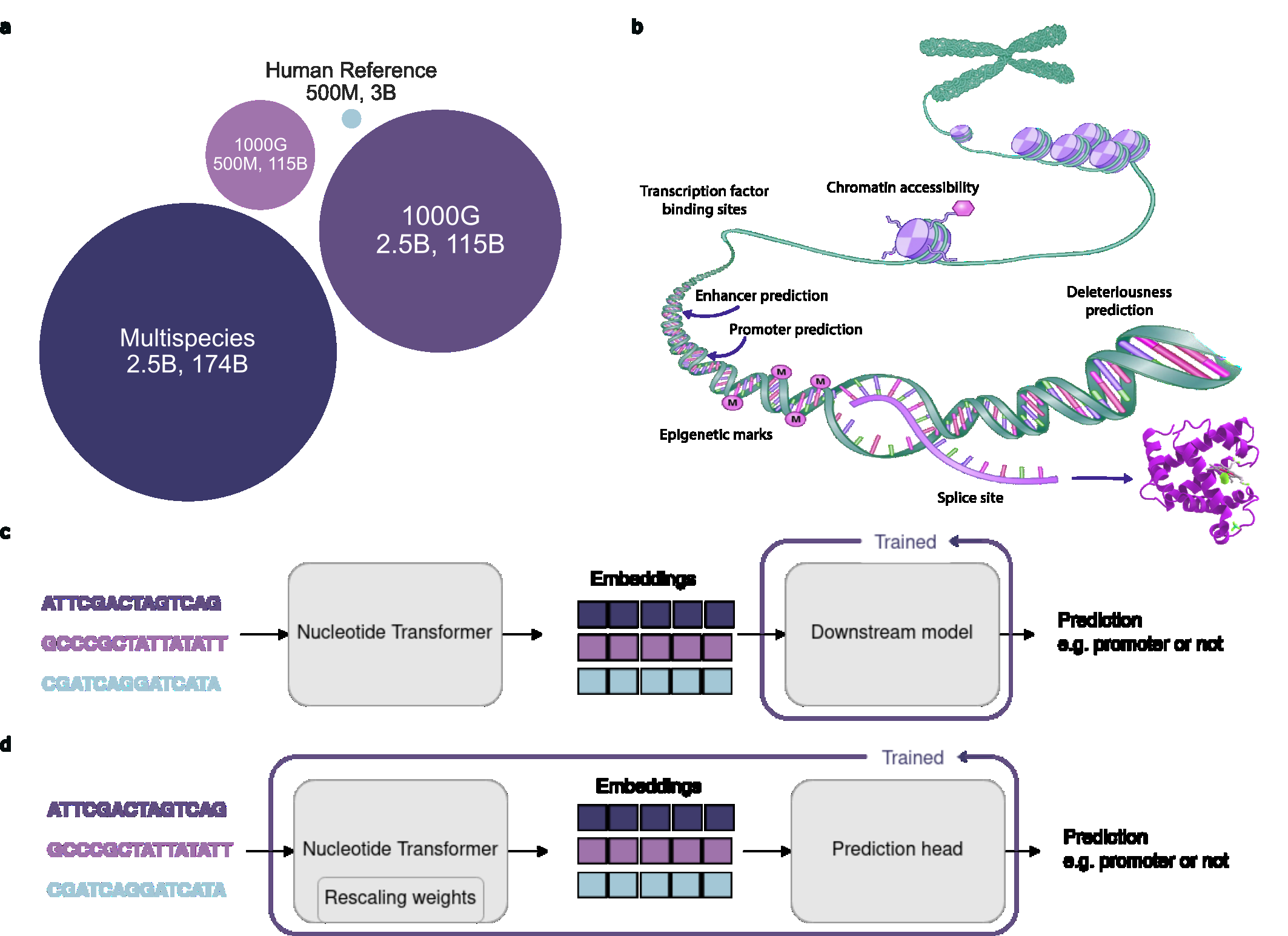
A Bioinformatician's Guide to Choosing Genomic Foundation Models
A practical guide to selecting genomic foundation models for bioinformatics tasks. Covers ESM-2, DNABERT-2, HyenaDNA, Nucleotide Transformer, scGPT, and Evo with specific recommendations for DNA sequence analysis, protein structure prediction, and single-cell analysis based on hardware requirements, inference speed, and task type.
When 62 Days of Compute Becomes 3: Diffusion Models as Fast Surrogates for Agent-Based Biological Simulations
How generative diffusion models can serve as fast surrogates for expensive biological simulations, achieving 22x speedup while preserving the stochastic diversity that makes these models scientifically useful.
When the Algorithm Can't Explain Itself: ML Interpretability in Precision Oncology
Machine learning models now outperform FDA-approved biomarkers in predicting treatment response, but the best-performing models often resist explanation. Here's how precision oncology is navigating the trade-off between performance and interpretability.